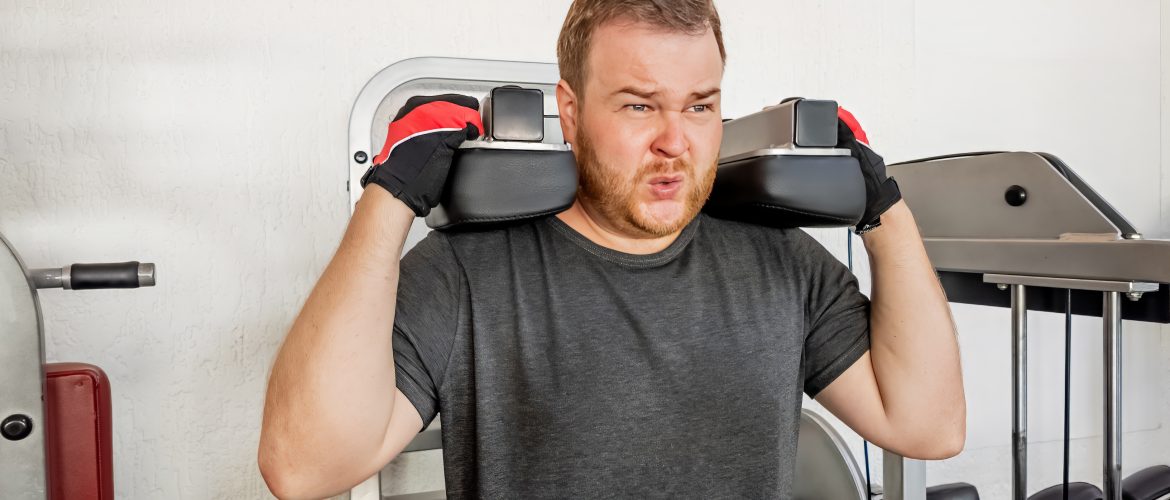
Starting the gym can feel overwhelming. You are surrounded by unfamiliar equipment, different training methods and a constant stream of conflicting advice online. One person tells you to train every day, another says you should avoid certain exercises, while social media makes it look as though everyone else knows exactly what they are doing. These beginner gym mistakes are common, and almost all of them are avoidable.
The reality is much simpler. You do not need to know everything before you begin. You need a realistic plan, a basic understanding of good technique and enough consistency to give that plan time to work. Most beginner gym mistakes can be corrected quickly once you understand why they happen.
Quick summary
The biggest beginner gym mistakes are doing too much too soon, using poor technique, following unsuitable workouts and expecting immediate results. Start with two or three structured sessions, learn the movements properly and focus on gradual progress.
The most common beginner gym mistakes
1
Trying to do too much too soon
Many of these gym mistakes for beginners happen because people try to progress too quickly or follow advice that doesn’t suit their goals. They go from doing very little exercise to training six or seven days a week, often while cutting calories and adding extra cardio at the same time.
This approach usually creates unnecessary soreness, fatigue and frustration. Your body needs time to adapt to a new training demand, and the NHS physical activity guidelines recommend building up gradually rather than jumping straight into intense sessions. Two or three well-planned sessions each week can be enough to improve strength, fitness and confidence when you are starting out. Add more training only when your recovery, schedule and experience justify it.
2
Skipping the warm-up
Walking into the gym and immediately attempting your heaviest exercise is a poor way to begin a session. A warm-up should gradually prepare you for the movements and intensity that will follow.
You do not need to spend half an hour stretching. Start with several minutes of light movement, then perform controlled practice sets of your first exercise using a lighter resistance. A useful warm-up should make you feel prepared rather than exhausted.
3
Prioritising weight over technique
The weight on the machine or bar is not the only measure of progress. Adding resistance before you can control an exercise often changes the movement and shifts the work away from the muscles you intended to train.
Learn the correct setup, range of movement and tempo first. Once you can repeat the movement with control, increase the resistance gradually. Strong technique gives you a better foundation for long-term progression than lifting a heavier weight badly.
Technique should be repeatable
A good repetition should not rely on momentum, uncontrolled movement or a completely different body position each time. The final repetition may be difficult, but it should still resemble the first.
4
Copying someone else’s workout
The person training next to you may have completely different goals, experience, mobility, injury history and available time. Their workout might be appropriate for them but unsuitable for you.
A beginner programme should be based on your current ability and should teach the main movement patterns without unnecessary complexity. Following a structured plan is far more effective than collecting random exercises from social media or copying the strongest person in the gym.
5
Expecting immediate results
You may feel better after only a few sessions, but visible changes in strength, muscle or body composition normally require consistent effort over a longer period. Expecting a dramatic transformation within a week makes a sensible programme feel as though it is failing.
Measure progress in more than one way. Look at exercise technique, repetitions, resistance used, energy levels, fitness, measurements and how consistently you are training. Small improvements provide evidence that the process is working.
6
Ignoring nutrition
Training is important, but it cannot compensate for consistently poor nutrition. Your food choices affect your energy, recovery, performance and ability to move towards goals such as fat loss or muscle growth.
You do not need a complicated or highly restrictive diet. Begin with regular meals, suitable portions, adequate protein and a reasonable amount of fruit, vegetables and minimally processed food. Nutrition needs to be sustainable enough to support your training and normal life.
7
Not drinking enough water
Turning up already dehydrated can leave you feeling tired, unfocused and less capable of completing the session properly. Waiting until you are extremely thirsty is not a reliable strategy.
Drink regularly throughout the day and bring water to your session. Your needs will vary depending on the weather, session intensity and how much you sweat, so avoid treating one fixed amount as suitable for everyone.
8
Relying on cardio alone
Cardiovascular exercise can improve fitness, support heart health and increase energy expenditure. However, spending every session on a treadmill or cross trainer may mean you miss the benefits of resistance training.
A balanced beginner routine can combine resistance exercises, cardio and regular daily movement. Resistance training supports strength, muscle retention and physical capability. Cardio and weights are not competing methods. They solve different parts of the fitness problem.
9
Comparing yourself with other people
You rarely know how long another person has trained, what their background is or what their current goal involves. Comparing your first few weeks with someone else’s fifth year is not useful.
Compare your performance with your own previous sessions. An extra repetition, better technique, improved confidence or simply attending consistently can all represent genuine progress.
10
Giving up before the routine has had time to work
A missed session, a difficult workout or a week without visible change does not mean the plan has failed. Progress is rarely perfectly linear. The bigger problem is frequently changing programmes or stopping before you have gathered enough evidence to judge the results.
Choose a manageable routine and follow it consistently. When adjustments are needed, change the specific part that is not working rather than replacing everything.
A simple way to start your first month
Step 1
Choose your schedule
Start with two or three sessions that fit around your normal week.
Step 2
Use a clear programme
Repeat the main exercises long enough to improve your technique.
Step 3
Record your training
Track exercises, resistance and repetitions so progress is measurable.
Step 4
Review, then adjust
Make decisions based on several weeks of training, not one difficult session.
The hardest part is often walking through the gym doors for the first time. Once you understand these beginner gym mistakes and have a plan, the gym environment becomes much less intimidating.
You can explore my available personal training packages, learn more about my training background or read client experiences from people who have worked on their own fitness goals.
Beginner gym questions
How many days should a beginner go to the gym?
Two or three structured sessions each week are enough for many beginners. This provides regular practice while leaving time for recovery. The right frequency depends on your programme, lifestyle and previous activity level.
Should beginners use machines or free weights?
Both can be useful. Machines may make some exercises easier to learn, while free weights can develop control and coordination. Exercise selection should be based on your goal, current ability and confidence rather than the idea that one type is always better.
How long should a beginner gym session last?
A session does not need to last several hours. Many effective beginner workouts can be completed within approximately 45 to 60 minutes, depending on the warm-up, exercises, rest periods and training goal.
What should I do when I feel nervous in the gym?
Visit at a quieter time, write down your workout before arriving and begin with equipment you understand. A gym induction or personal training session can also help you learn the environment and practise exercises with guidance.
Start with a plan you understand
If you are new or unsure what to do in the gym, I can help you build confidence, learn correct technique and follow a structured programme based on your goals.